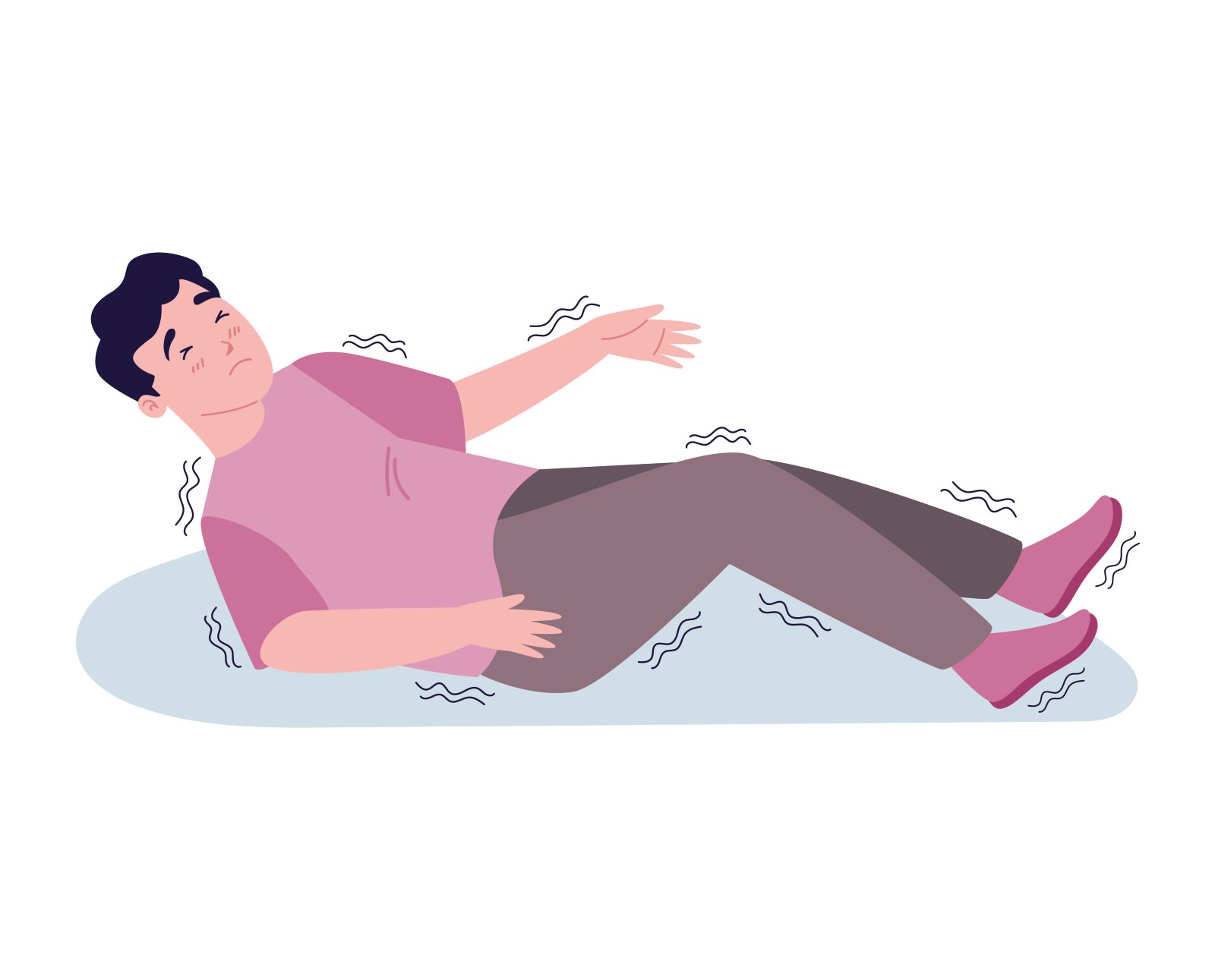
What Is Epilepsy?
Epilepsy is a brain disorder that causes repeated seizures. Seizures are sudden bursts of electrical activity in the brain. Because of this, people may lose awareness or control of their body. Epilepsy: Understanding Seizures & When to Seek Help is important for everyone. According to the World Health Organization (WHO), about 50 million people worldwide have epilepsy. While anyone can develop epilepsy, it can start at any age. Early understanding helps people manage the condition better.
Types of Seizures
There are different types of seizures. Each type affects the brain in a unique way. Knowing the types helps in recognizing and treating epilepsy.
Common Symptoms
Seizures can look different in each person. However, some symptoms are more common. Recognizing these signs can help you act quickly.
Sometimes, people may not remember what happened during a seizure. For this reason, it is helpful for others to notice these signs.
Causes and Risk Factors
Many things can cause epilepsy. In some cases, the cause is unknown. Still, certain factors increase the risk.
Because some causes can be prevented, knowing the risks is helpful. For example, wearing helmets can lower the risk of head injuries.
How Epilepsy Is Diagnosed
Doctors use several steps to diagnose epilepsy. First, they ask about your medical history and symptoms. Next, they may order tests to check your brain activity.
With these tests, doctors can confirm epilepsy and plan treatment. Early diagnosis leads to better care.
Treatment Options
There are many ways to treat epilepsy. The right treatment depends on the type of seizures and the person’s health. Most people can control seizures with medicine.
Because each person is different, doctors create a plan that fits their needs. Regular follow-ups are important for success.
When to Seek Medical Help
It is important to know when to get help for seizures. Some situations need urgent care. For example, call for help if:
Even if seizures seem mild, always talk to a doctor. Early care can prevent problems.
Lifestyle Tips and Prevention
Living with epilepsy can be easier with some simple steps. While not all seizures can be prevented, these tips may help:
Because support matters, joining epilepsy groups can also help people feel less alone.
In summary, understanding epilepsy and seizures helps people stay safe and healthy. If you or someone you know has seizures, consult a neurologist or epilepsy specialist for personalized advice and support.