What Are Brain Tumors?
Brain tumors are growths of abnormal cells in the brain. Some tumors are non-cancerous (benign), while others are cancerous (malignant). Both types can cause health problems. Because the brain controls many body functions, even small tumors can have big effects. There are many types of brain tumors. Some start in the brain, while others spread from other parts of the body. According to the World Health Organization (WHO), brain tumors can affect people of any age. However, some types are more common in children or older adults.
Common Symptoms of Brain Tumors
Brain tumor symptoms can vary. Often, they depend on the tumor’s size and location. Early signs of brain tumors may be mild. But as the tumor grows, symptoms can get worse. For example, you may notice:
Because these symptoms can also be caused by other health issues, it is important to see a doctor if you notice them.
Causes and Risk Factors
Doctors do not always know what causes brain tumors. However, some risk factors may increase your chances. For instance, these include:
Most people with brain tumors do not have any known risk factors. Still, knowing your risks can help you stay alert to early signs.
How Brain Tumors Are Diagnosed
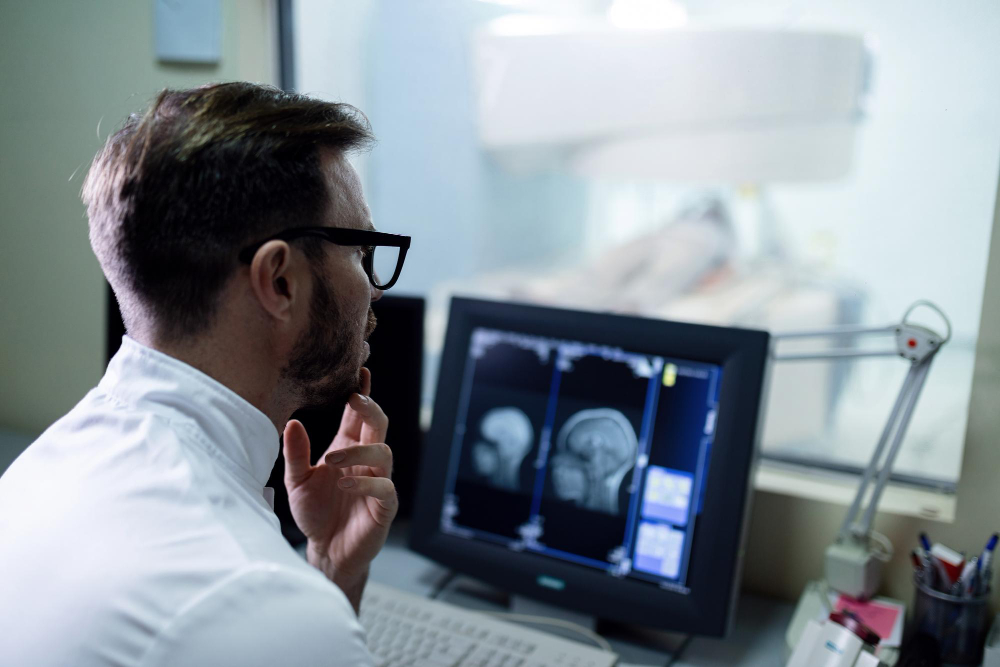
Doctors use several tests to diagnose brain tumors. First, they ask about your symptoms and medical history. Next, they may do a physical exam and check your nerves. If a brain tumor is suspected, doctors often order imaging tests. These include:
Sometimes, doctors take a small sample of the tumor (biopsy) to check if it is cancerous. Early diagnosis can help guide the best treatment options.
Treatment Options for Brain Tumors
Treatment for brain tumors depends on the type, size, and location of the tumor. It also depends on your age and overall health. Common brain tumor treatment options include:
Doctors often use a team approach. This means you may see a neurologist, neurosurgeon, and other specialists.
Lifestyle Tips and Support
Living with a brain tumor can be challenging. However, there are ways to cope and improve your well-being. For example:
Because support is important, do not hesitate to ask for help when you need it.
Prevention and Early Detection
There is no sure way to prevent brain tumors. However, you can lower your risk by avoiding unnecessary radiation and living a healthy lifestyle. Early detection is key. If you notice early signs of brain tumors, such as new headaches or vision changes, see a doctor right away. Regular check-ups can help catch problems early. This can lead to better outcomes.
If you have concerns about brain tumors, consult a neurologist or neurosurgeon for personalized advice.