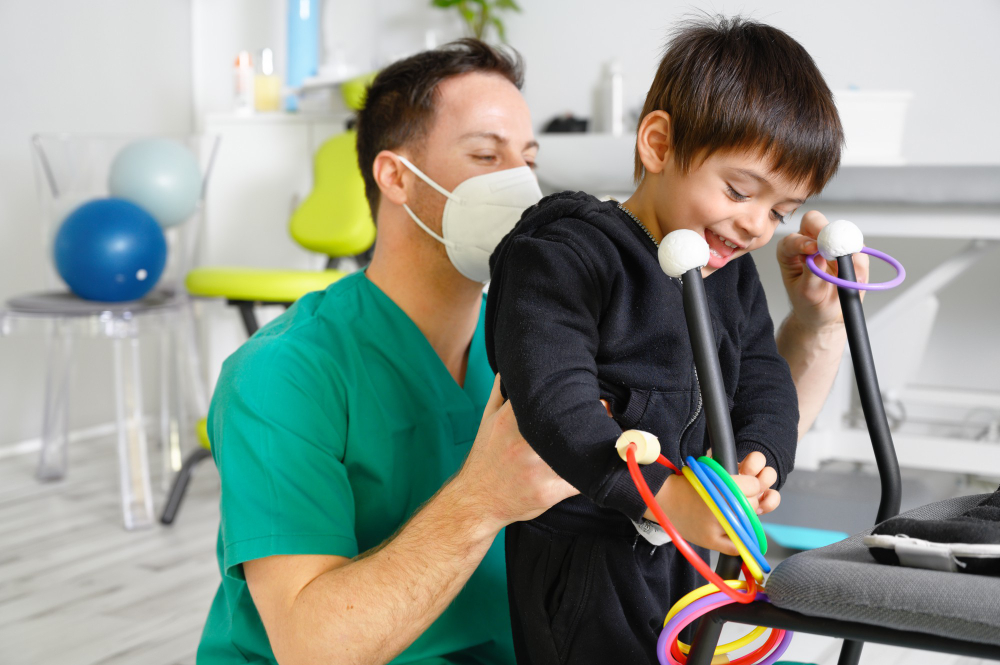
Pediatric stroke rehab is a special care plan for children who have had a stroke. It helps kids recover, regain skills, and live better lives. Early rehab is important because it can improve a child’s movement, speech, and thinking. With the right support, many children make great progress. In this blog, we will explain what pediatric stroke rehab is, common symptoms, causes, treatment options, and how families can help. We will also discuss prevention and long-term outlook. If you are looking for pediatric stroke rehab in your area, this guide will help you understand what to expect.
What Is Pediatric Stroke Rehab?
Pediatric stroke rehab is a set of therapies and treatments for children after a stroke. The goal is to help kids recover lost skills and become more independent. Rehab often starts soon after the stroke, sometimes while the child is still in the hospital. Early rehab can make a big difference in recovery. Children may need help with moving, speaking, or learning. Each child’s rehab plan is unique and based on their needs.
Common Symptoms and Challenges After Pediatric Stroke
After a stroke, children may face many challenges. These can affect their body, mind, and emotions. However, with the right support, many children improve over time. Common symptoms and challenges include:
Some children may also feel tired or frustrated. But with regular therapy, many of these symptoms can get better.
Causes and Risk Factors for Pediatric Stroke
Pediatric strokes are rare, but they do happen. According to the CDC, strokes affect about 2 to 13 out of every 100,000 children each year. Several causes and risk factors can increase the chance of a stroke in children. These include:
Sometimes, doctors cannot find a clear cause. Still, knowing the risk factors can help families and doctors watch for warning signs.
Diagnosis and Assessment in Children
Early diagnosis is key for better outcomes. Doctors use several steps to find out if a child has had a stroke. First, they ask about symptoms and medical history. Next, they may order tests such as:
These tests help doctors understand the type of stroke and plan the best treatment. Quick action can lead to better recovery.
Treatment Options and Rehabilitation Approaches
Treatment for pediatric stroke recovery often starts in the hospital. After that, rehab continues at home or in a clinic. The main goal is to help children regain lost skills. Common rehabilitation for children after stroke includes:
Sometimes, children may need special equipment, like braces or walkers. Each child’s therapy plan is made just for them. Regular sessions and family support are important for progress.
Lifestyle Guidance and Family Support
Families play a big role in a child’s recovery. With the right guidance, parents can help their child practice skills at home. Here are some tips for families:
It’s normal to feel worried or stressed. But asking for help and staying positive can make a big difference. Many families find comfort in sharing their experiences with others.
Prevention and Long-Term Outlook
Preventing another stroke is important. Doctors may suggest medicines or changes in diet and activity. Regular check-ups help spot any new problems early. With ongoing rehab, many children continue to improve for months or even years. The long-term outlook depends on the stroke’s cause and how quickly treatment began. However, with strong support, most children can lead happy, active lives.
If you have concerns about pediatric stroke rehab or child stroke therapy, consult a pediatric neurologist or rehabilitation specialist for personalized guidance.