What is Trigeminal Neuralgia?
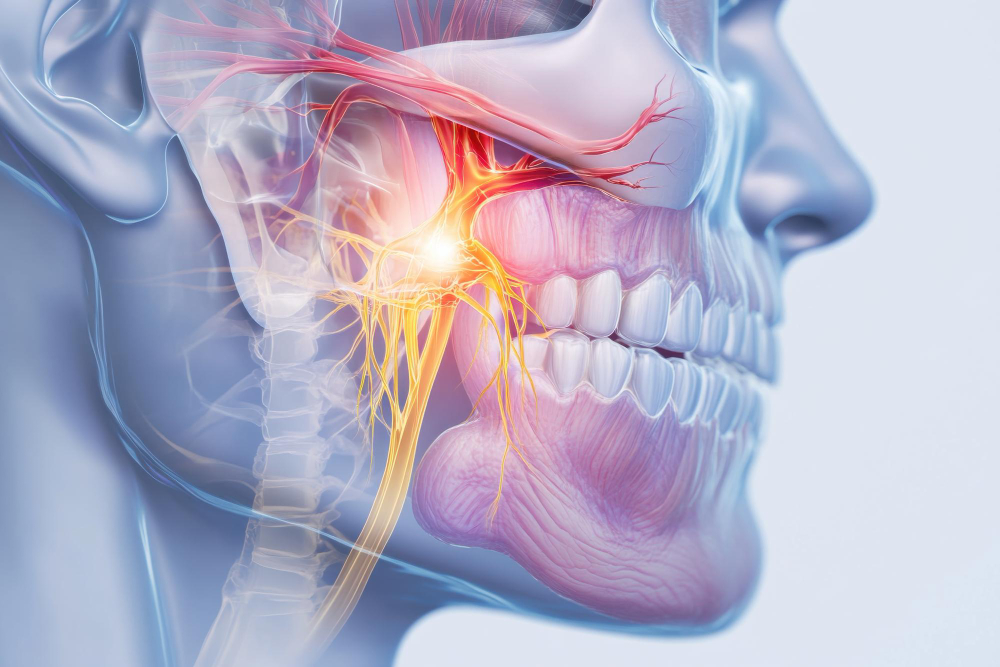
Trigeminal neuralgia is a nerve condition that causes sudden, sharp facial pain. This pain often feels like an electric shock. It affects the trigeminal nerve, which carries feeling from your face to your brain. Because of this, even light touches or simple actions like brushing your teeth can trigger pain. Many people call it facial nerve pain. Although it is rare, trigeminal neuralgia can greatly affect daily life. For those seeking relief, trigeminal neuralgia treatment from neurology specialists can help improve quality of life.
Common Symptoms
Trigeminal neuralgia symptoms can vary. However, most people notice:
Sometimes, the pain may be mild at first. But over time, it can become more frequent and intense. If you notice these signs, it is important to seek medical advice.
Causes and Risk Factors
Trigeminal neuralgia often happens when a blood vessel presses on the trigeminal nerve. This pressure can damage the nerve’s protective covering. As a result, the nerve sends pain signals to the brain. In some cases, multiple sclerosis or a tumor may cause the nerve damage. However, for many people, the exact cause is not clear.
Several risk factors can increase your chance of developing trigeminal neuralgia:
Although anyone can get trigeminal neuralgia, it is more common in older adults.
How Trigeminal Neuralgia is Diagnosed
Doctors use several steps to diagnose trigeminal neuralgia. First, they ask about your symptoms and medical history. Next, they perform a physical and neurological exam. During this exam, they check your facial sensation and reflexes. Sometimes, doctors order imaging tests like MRI scans. These tests help rule out other causes, such as tumors or multiple sclerosis. Because symptoms can look like other conditions, seeing a neurology specialist is important for an accurate diagnosis.
Treatment Options
There are several trigeminal neuralgia treatment options. The right choice depends on your symptoms and health. Common treatments include:
Because each person is different, a neurology specialist can help choose the best treatment for you. If you are looking for trigeminal neuralgia treatment in your city, ask your doctor for local options.
Lifestyle Tips and Prevention
While you cannot always prevent trigeminal neuralgia, some tips may help manage symptoms:
Although these steps may not cure the condition, they can make daily life easier.
When to See a Neurologist
If you have sudden, severe facial pain, you should see a doctor right away. Especially if the pain is frequent or affects your daily life, a neurology specialist can help. Early diagnosis and treatment can prevent symptoms from getting worse. In addition, if your current treatment is not working, a specialist can suggest new options. Remember, timely care can make a big difference.
Conclusion: Trigeminal neuralgia can be challenging, but help is available. Consult a neurology specialist for personalized advice on trigeminal neuralgia and the best treatment for you.