What is Dementia?
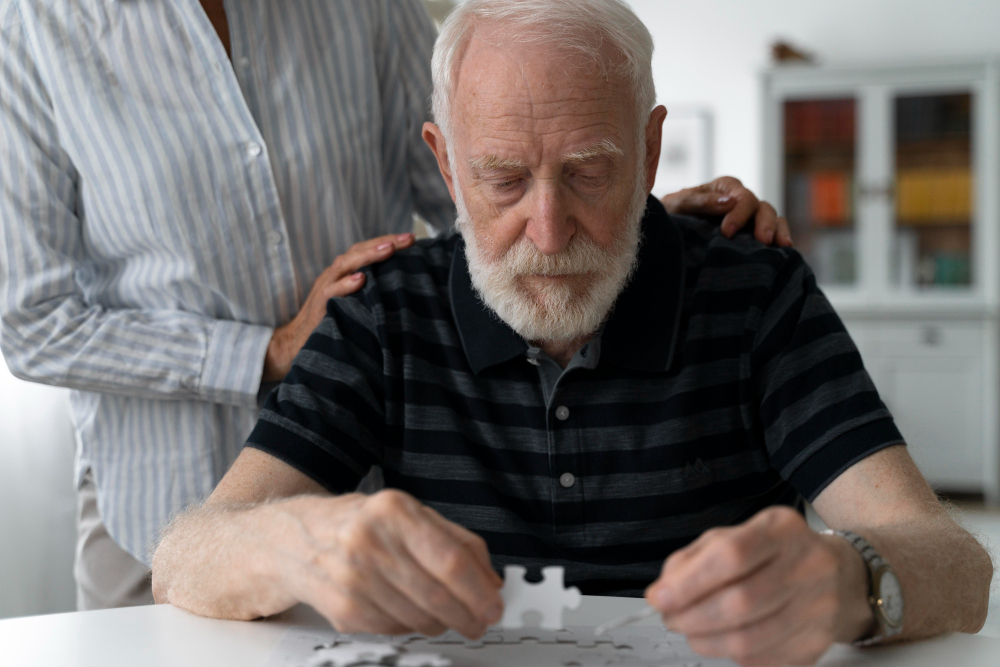
Dementia is a condition that affects the brain. It causes problems with memory, thinking, and behavior. Although it is more common in older adults, dementia is not a normal part of aging. In fact, it is a group of symptoms that can be caused by different diseases. According to the World Health Organization (WHO), dementia affects millions of people worldwide. Because it can change how a person acts or feels, it can also impact families and caregivers.
Common Symptoms of Dementia
People often wonder about dementia symptoms. Early signs of dementia can be mild, but they usually get worse over time. For example, someone may forget recent events or have trouble finding words. However, not everyone will have the same symptoms. Below are some common signs:
As dementia progresses, these symptoms may become more noticeable. Therefore, it is important to watch for these early signs of dementia.
Causes and Risk Factors
Dementia can have many causes. Most often, it is linked to diseases that damage brain cells. For instance, Alzheimer’s disease is the most common cause. Other causes include strokes, head injuries, and certain infections. But, some risk factors make dementia more likely. These include:
While some risk factors cannot be changed, others can be managed. For example, staying active and eating well may help lower your risk.
How Dementia is Diagnosed
Many people ask, “How is dementia diagnosed?” Doctors use several steps to find out if someone has dementia. First, they ask about symptoms and medical history. Next, they may do a physical exam and simple memory tests. Sometimes, blood tests or brain scans are needed. These tests help rule out other causes of memory loss. Because early diagnosis is important, seeing a doctor as soon as symptoms appear is key.
Treatment Options for Dementia
Currently, there is no cure for dementia. However, there are dementia treatment options that can help manage symptoms. For example, doctors may prescribe medicines to improve memory or mood. In addition, counseling and support groups can help people cope. Other treatments may include:
Because each person is different, treatment plans should be tailored to individual needs.
Lifestyle Tips and Prevention
Although not all cases can be prevented, certain lifestyle choices may lower the risk of dementia. For instance, staying active and eating a balanced diet can help. Here are some tips:
Because small changes can make a big difference, it is never too late to start healthy habits.
When to See a Doctor
If you notice memory loss or other changes in yourself or a loved one, do not ignore them. While some forgetfulness is normal with age, sudden or severe symptoms may signal dementia. Therefore, it is best to talk to a healthcare provider. Early diagnosis can help with planning and treatment. If you or a loved one shows signs of dementia, consult a healthcare specialist for personalized advice.