Introduction
Our brain and nerves control everything we do. They help us think, move, and feel. Because of this, keeping them healthy is very important. Foods that support brain and nerve function can make a big difference in how we feel each day. In neurology and neuro surgery, experts know that good nutrition helps protect the brain and nerves. Eating the right foods may even lower the risk of memory loss and nerve problems.
Why Nutrition Matters for Brain and Nerve Health
Nutrition plays a key role in brain and nerve health. For example, certain vitamins and minerals help nerves send signals. Healthy fats protect brain cells. In addition, antioxidants fight damage from stress and aging. According to the World Health Organization (WHO), a balanced diet supports brain function at every age. So, eating the right foods can help you think clearly and stay sharp.
Top Foods That Support Brain and Nerve Function
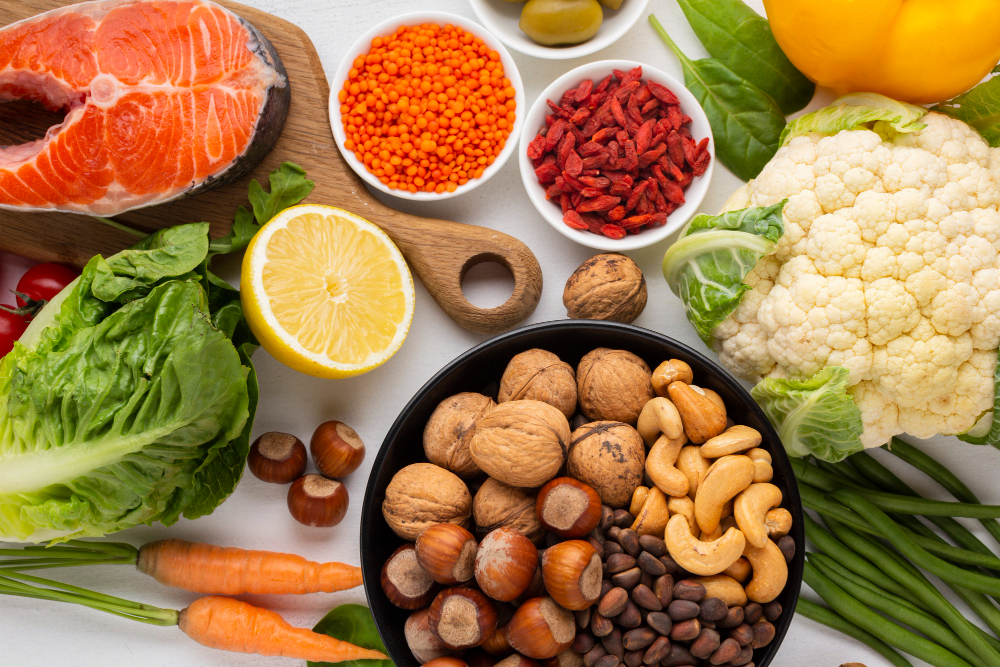
Many foods can boost memory and support nerve health. Here are some of the best foods for brain health:
How to Incorporate These Foods Into Your Diet
Adding brain-healthy foods to your meals can be simple. For instance, you can start your day with oatmeal topped with berries and nuts. At lunch, try a salad with leafy greens, avocado, and grilled salmon. For snacks, choose a handful of walnuts or a boiled egg. At dinner, enjoy brown rice with beans and steamed broccoli. You can also add flaxseeds to smoothies or yogurt. Remember, small changes can make a big difference over time.
Lifestyle Tips for Optimal Brain and Nerve Function
Besides eating well, other habits help your brain and nerves. For example, drink plenty of water each day. Staying hydrated keeps your brain working well. Also, eat a balanced diet with lots of fruits, vegetables, and whole grains. Try to limit processed foods, sugary drinks, and too much salt. Regular exercise, enough sleep, and managing stress also support brain health. Together, these habits can help you feel your best.
Prevention and Long-Term Benefits
Eating foods that support brain and nerve function may help prevent memory loss and nerve problems as you age. According to the CDC, a healthy diet lowers the risk of stroke and other brain diseases. Over time, these foods can keep your mind sharp and your nerves strong. Because of this, making healthy food choices now can protect your brain for years to come.
For personalized nutrition advice, consult a healthcare specialist or registered dietitian. They can help you choose the best foods for your brain and nerve health.